Waterproofing Services in NYC: What Every High-Rise and Skyscraper Owner Must Know
NJ’s skyline is a symbol of architectural ambition—towers stretching into the clouds, glass façades reflecting the city’s energy, and foundations rooted deep into complex urban soil. But behind every iconic high-rise or skyscraper lies a constant, non-negotiable responsibility: waterproofing.
For property owners, condo boards, building managers, and developers, waterproofing isn’t just another maintenance task—it's the backbone of structural integrity. And with many New Jersey residents searching for “waterproofing services near me”, it’s clear that water intrusion has become an increasingly urgent issue across the city.
In this comprehensive guide, we break down everything high-rise and skyscraper owners in NJ need to know about waterproofing—from common vulnerabilities and solutions to cost factors, NEW JERSEY-specific challenges, and the long-term impact of neglect.

Why Waterproofing Matters More in NEW JERSEY Than Almost Anywhere Else
If you own or manage a high-rise in NJ, waterproofing is not optional. Several factors make NEW JERSEY buildings particularly vulnerable:
1. Extreme Weather Conditions: New Jersey experiences:
heavy rainfall
sudden storms
freeze-thaw cycles
high humidity
strong winds that force rain laterally
This combination accelerates wear on façades, roofs, and building envelopes.
2. Aging High-Rise Infrastructure: Many buildings—especially pre-war or mid-century towers—were not built with modern waterproofing systems. Owners often discover issues only after significant damage has occurred.
3. Dense Urban Construction: High-rises share walls, foundations, and drainage pathways that complicate water flow. Even minor failures can impact adjacent structures.
4. Tall-Building Pressure Dynamics: The taller the building, the stronger the wind pressure against the façade, rooftops, and windows. This pressure pushes rainwater into the smallest openings.
These factors make it vital for owners to stay ahead of water damage through regular maintenance and professional assessments.
Where High-Rises & Skyscrapers Are Most Vulnerable to Water Damage
Water infiltration can occur anywhere, but tall buildings have unique weak points:
1. Roofs & Mechanical Penthouse Floors
Flat roofs in NEW JERSEY are notorious for:
ponding water
membrane deterioration
poor drainage
flashing failures
Mechanical rooms placed on top floors add additional penetrations—making leaks more common.
2. Façades & Exterior Walls
High-rise façades endure:
lateral wind-driven rain
façade cracks due to temperature shifts
aging mortar joints and sealants
displacement from building movement
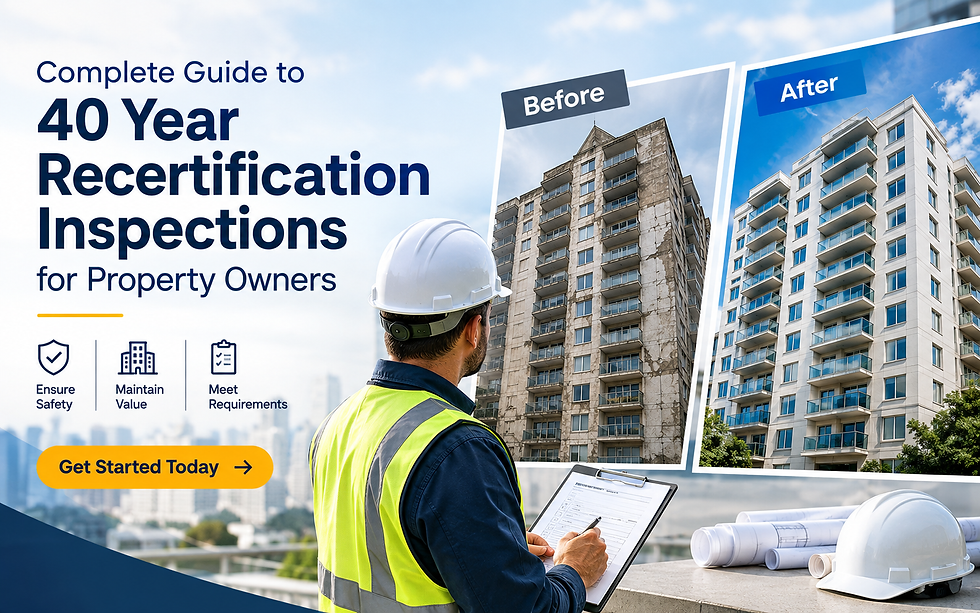
Local Law 11 (FISP) also mandates regular façade inspections because water infiltration is often a precursor to dangerous façade failures.
3. Windows, Curtain Walls & Glass Panels
Skyscrapers with glass exteriors face challenges such as:
failed gaskets
broken seals
deteriorated caulking
condensation and insulation issues
Even a small gap allows water into interior walls.
4. Foundations & Sublevels
NEW JERSEY’s underground water pressure is intense. High-rises with basements, sub-basements, or parking decks experience:
hydrostatic pressure
groundwater seepage
foundation wall cracking
Even new buildings struggle to stay dry without a proper waterproofing system.
5. Terraces, Balconies & Shared Spaces
Rooftop lounges, pool decks, and outdoor terraces create frequent waterproofing headaches due to:
constant foot traffic
seasonal temperature fluctuations
poor surface drainage
Aesthetic outdoor areas can quickly become primary sources of leaks.
The NEW JERSEY Challenge: Why High-Rise Waterproofing Requires Specialized Techniques
Waterproofing a skyscraper is not the same as waterproofing a typical home or low-rise structure. The scale, pressure, materials, and building codes are entirely different.
1. Wind-Driven Rain Pressure: At higher altitudes, water doesn’t fall straight down—it travels horizontally. Skyscraper waterproofing systems must account for this.
2. Movement & Structural Flex: Tall buildings sway. That movement can cause:
sealant failures
façade cracks
roof system stress
Flexible, durable materials are essential.
3. Complex Building Envelopes: Glass panels, steel framing, concrete cores, and architectural transitions all require unique waterproofing solutions.
4. Strict NEW JERSEY Building Codes: Façade inspections, sidewalk protections, and NEW JERSEY DOB regulations must align with waterproofing work.
Buildings that cut corners risk violations and safety hazards.
Most Effective Waterproofing Methods for NEW JERSEY High-Rises
Here are the proven systems used in skyscraper maintenance and construction:
1. Roof Waterproofing Systems
Modified bitumen membrane
EPDM or TPO roofing
Liquid-applied membranes
Green roof waterproofing layers
Roof systems often combine multiple layers for redundancy.
2. Façade Waterproofing
This involves:
Repointing brick joints
Replacing exterior sealants
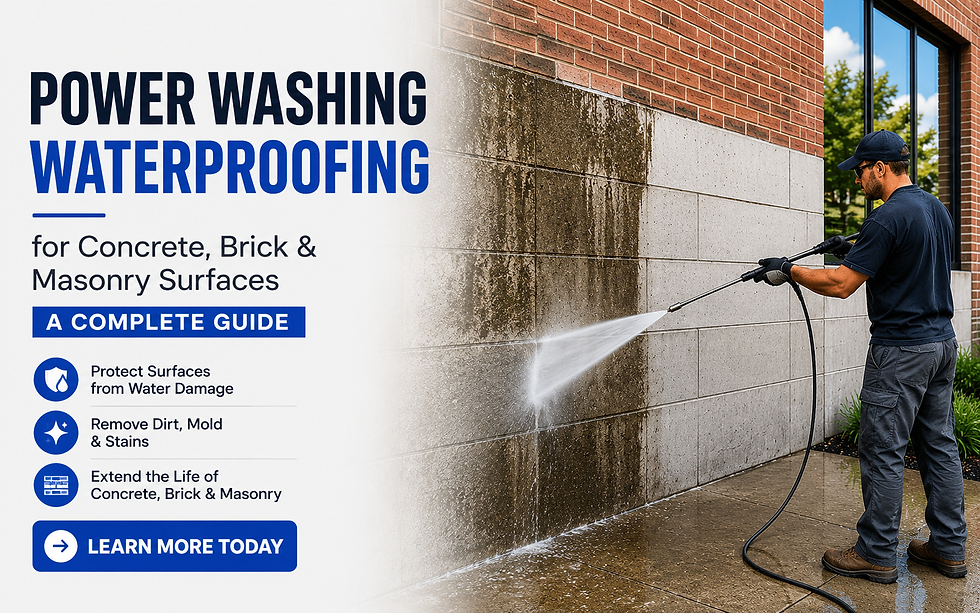
Applying waterproof coatings
Curtain wall resealing
Crack repair injections
For glass façades, silicone glazing plays a significant role.
3. Window & Curtain Wall Waterproofing
Solutions include:
gasket replacement
sealant renewal
window frame waterproofing
drainage track repairs
High-rise windows require periodic maintenance to stay watertight.
4. Foundation & Below-Grade Waterproofing
Common systems:
negative-side waterproofing
positive-side barriers
foundation crack injection
sump/drainage systems
These address underground water pressure.
5. Terrace & Deck Waterproofing
Often handled using:
liquid membranes
polyurethane coatings
protective top layers
proper slope correction
Rooftop amenities add lifestyle value—but require consistent waterproofing upkeep.
Cost Factors of Waterproofing a High-Rise in NEW JERSEY
Waterproofing a skyscraper is more complex—and costly—than residential work. Costs vary based on:
building height
accessibility
façade material
roof type
extent of damage
equipment needed (scaffolding, cranes, rope access)
NEW JERSEY labor and permit requirements
While costs may be significant, the price of not waterproofing—structural damage, lawsuits, violations, mold remediation—is far higher.
Final Thoughts
Waterproofing isn’t just a maintenance item for skyscrapers and high-rise buildings in NEW JERSEY—it’s a critical defense mechanism against the forces of nature, time, and urban pressure. Whether you're dealing with aging façades, rooftop mechanical systems, terrace areas, or underground levels, moisture intrusion can quickly escalate into a significant structural and financial burden.
Searching for “waterproofing services” is often the first step for NEW JERSEY property owners facing leaks or preparing for preventative maintenance. But the real key is understanding your building’s vulnerabilities, choosing appropriate waterproofing systems, and staying proactive with inspections.
A well-maintained building not only stays dry—it protects residents, retains value, and stands tall in the ever-evolving NEW JERSEY skyline.

Comments